English
 中文
中文 Pусский
 Español
Why Does My Extrusion Lamination Have Poor Bond Strength?
You have just finished a full shift of extrusion lamination. The rolls look fine—glossy finish, even coating, clean edges. Then the quality lab performs a peel test, and the layers separate like they were never bonded. Poor bond strength is the hidden killer of extrusion lamination efficiency. It does not announce itself with visible defects. Instead, it shows up later, in customer complaints, rejected rolls, and delaminated packaging. The cause is rarely a single catastrophic failure—it is usually a combination of subtle process drift: corona treatment that has fallen off spec, melt temperature that has crept outside the optimal window, nip pressure that has dropped below 30 N/mm, or contamination you cannot see with the naked eye. This guide walks through each root cause in order of how often they appear, gives you a simple test to confirm each, and shows how to fix it. The principles apply to any modern Extrusion Coating Lamination Machine in a flexible packaging line.
What the peel test tells you
The way the lamination fails tells you as much as the fact that it failed at all. Clean separation with no residue points to a surface energy problem—the molten polymer never properly wetted the substrate, almost always a corona treatment issue. Random weak spots across the web indicate inconsistent treatment or localized contamination. Edge-only failure, where the bond holds in the center but peels at the edges, points to pressure distribution problems: low nip pressure at the edges or a worn rubber roll with reduced hardness.
Why surface energy matters more than you think
Extrusion coating relies on the molten polymer “wetting out” the substrate surface. Without adequate surface energy, the polymer beads up rather than spreading, creating a mechanical bond that fails immediately. For LDPE extrusion coating onto paper or film, the substrate needs a surface energy of at least 38 to 42 dyne/cm to achieve acceptable adhesion. Untreated films measure around 30 to 32 dyne/cm—far below the threshold. Corona treatment raises surface energy by creating polar groups on the substrate surface, dramatically increasing joint strength, with peel strength measurements rising from negligible levels for untreated films to significant values post-treatment.
How to measure and when to retreat. Use dyne test pens in 2 dyne/cm increments (e.g., 38, 40, 42). Draw a line on the substrate surface immediately before the coating station. If the line beads up within 2 seconds, the surface energy is below that pen‘s rating. If it holds steady, you’re at or above the threshold. Increase corona treater power to achieve 2–3 W·min/m² treatment level. Confirm that electrodes are clean and the gap between electrode and roll is set to the manufacturer‘s specification. For spotty weak areas, inspect the treater roll for uneven wear and check that the web is centered.
Getting melt temperature right for LDPE
LDPE requires a specific melt temperature range to achieve optimal bonding. Too low, and the polymer doesn’t flow enough to penetrate the substrate surface. Too high, and oxidation degrades the adhesive properties. The typical processing window for LDPE in extrusion coating is 280°C to 320°C. Acid copolymers like EAA process at 260°C to 305°C. Low melt temperature produces incomplete wetting—the coating pulls away from the substrate in the nip, visible as small voids or pinholes under magnification. High melt temperature produces a dull, hazy coating that may still bond but will have reduced long‑term durability due to polymer degradation. Check actual melt temperature at the die exit using a pyrometer, not just the barrel setpoints. Increase in 5°C increments until bond strength improves, but stay below the resin manufacturer’s maximum recommendation. If line speed recently increased, the same temperature setpoint produces a lower actual melt temperature because of reduced residence time.
When the nip doesn‘t press evenly
The nip is where the bond actually forms. The rubber pressure roll presses the molten polymer against the chilled steel roll while the substrate passes between them. If pressure is too low, the polymer doesn’t get forced into the substrate surface, and air gets trapped between layers. Low bond strength is often accompanied by air bubbles visible in the laminate. Required pressure depends on web width and substrate type, but pressures below 30 N/mm often lead to incomplete bonding.
How to detect low pressure or imbalance. Insert a strip of pressure indicating film between the rolls at multiple points across the web width. The color density should be uniform. Darker at the edges and lighter in the center points to a bowed roll, possibly from overheating. Lighter on one side indicates a pressure imbalance in the pneumatic system. Increase line pressure in the hydraulic compounding system. If pressure readings are within spec but bond strength remains poor, check the rubber roll hardness. Rolls below 75 Shore A may lack the stiffness to apply uniform pressure under load. Worn rolls should be replaced or resurfaced.
| Failure Pattern | Most Likely Cause | Quick Fix |
|---|---|---|
| Clean peel, full separation | Low surface energy (corona off spec) | Increase treater power; check dyne level |
| Spotty weak areas | Inconsistent corona or contamination | Clean treater roll; install web cleaner |
| Edge‑only failure | Low nip pressure at edges | Balance pneumatic pressure; check rubber roll |
| Dull, hazy coating | Melt temperature too high | Reduce extruder temperature by 5–10°C |
| Visible air bubbles | Nip pressure too low | Increase hydraulic pressure |
| Haze plus weak bond | Substrate moisture | Dry substrate; check storage conditions |
Contamination that sabotages your bond
Even with perfect corona treatment and correct melt temperature, contaminated substrates won‘t bond. Contamination sources include paper dust from slitting operations, oil mist from machine bearings, moisture from storage or high humidity conditions, and migratory additives from the substrate itself. Wipe the substrate surface with a clean white cloth before it enters the coating station. Any visible residue indicates contamination. For moisture, check the substrate with a moisture meter. Install a web cleaner with tacky rollers or vacuum extraction before the coating station. For dust‑prone paper substrates, add a dust extraction hood immediately after the unwind. In high‑humidity environments, store rolls in climate‑controlled areas and limit exposure time before lamination.
First things to adjust when bond fails
When bond strength falls below spec, resist the temptation to change everything at once. The most effective sequence addresses the most common root causes first.
Verify surface treatment before changing anything else. Bad corona treatment will defeat any other adjustment. Use dyne pens to confirm at least 42 dyne/cm immediately before the nip.
Raise melt temperature in 5°C increments. Monitor bond strength after each adjustment. Stop when you reach acceptable peel values or hit the resin‘s maximum recommended temperature.
Check and calibrate nip pressure. Use pressure‑indicating film to confirm uniform distribution across the full web width.
Install web cleaners before the coating station if contamination is suspected. Paper dust and oil mist are the two most common sources—both are easily eliminated.
Common bond strength questions, answered
Q: Can I compensate for low corona treatment by increasing melt temperature?
A: No. Higher melt temperature increases oxidation, which can initially improve bond strength for LDPE, but it doesn’t fix poor surface wetting. You‘ll end up with an oxidized coating that bonds initially but fails over time. Always fix corona first.
Q: Why does bond strength vary across the web width?
A: Uneven corona treatment across the web, typically from a worn treater roll or an off‑center web path. Also check for pressure variation across the nip width, which can be diagnosed with pressure‑indicating film.
Q: Can line speed be too high for good adhesion?
A: Yes. Higher line speed reduces residence time in the nip and reduces the time available for corona treatment. If bond strength drops after a speed increase, raise the melt temperature slightly—higher temperature partially compensates for reduced contact time—or increase corona treater power.
Q: Why does a new batch of substrate suddenly stop bonding?
A: The surface treatment applied at the paper mill or film extruder may have degraded during storage, or the substrate’s additive package may have changed. Test the surface energy with dyne pens. If it‘s below 38 dyne/cm, you’ll need to increase corona treater power or apply a primer.
Q: Can corona treatment be too strong?
A: Yes. Over‑treatment creates a weak boundary layer that actually reduces bond strength. Excessive ozone can also cause surface oxidation that acts as a release layer. If dyne levels exceed 48–50 dyne/cm and bond strength is still poor, reduce treater power.
Knowing when to call for backup
Handle in‑house when parameters have drifted: corona power setting reduced over time, melt temperature drifted down due to thermocouple calibration, or nip pressure dropped from air supply issues. The fix requires no parts—just adjustment. Call the supplier when the rubber pressure roll has worn below 75 Shore A hardness, the treater roll has developed uneven surface wear, the die head has internal contamination or damage, or you suspect extruder screw wear affecting melt quality. A reliable equipment provider will offer remote support for parameter guidance. If field fixes fail after you have run through all four diagnostic steps, their service experts can arrange on‑site inspection.
Equipment designed for consistent bond strength
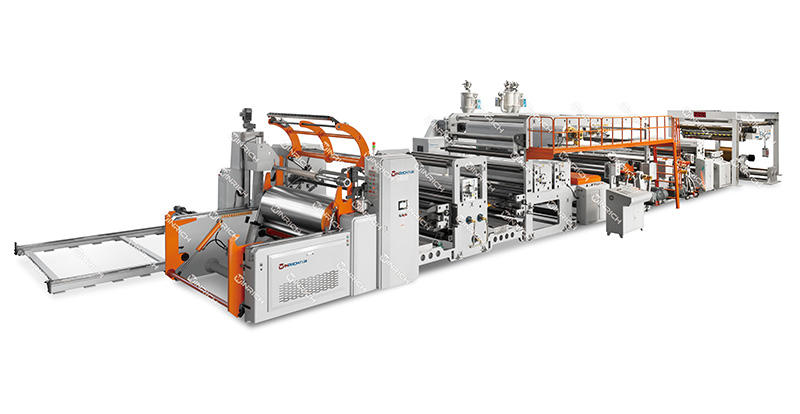
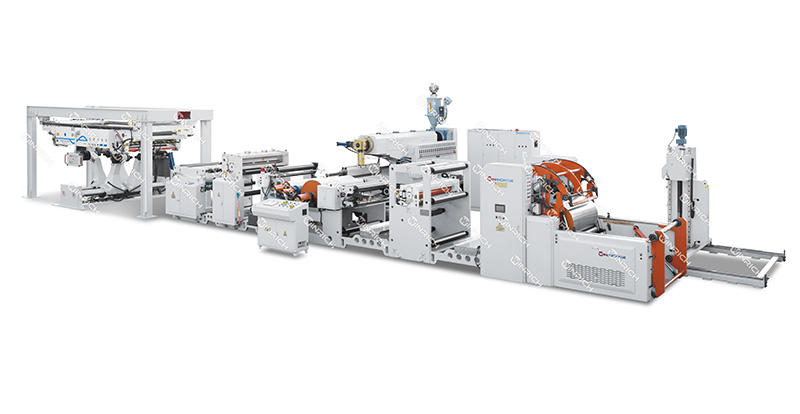
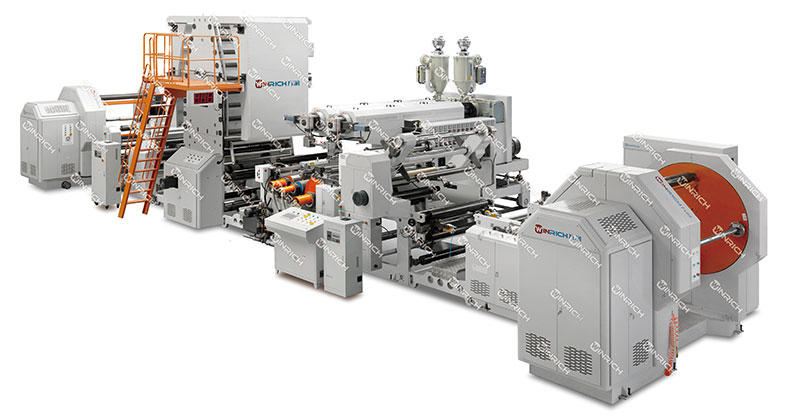
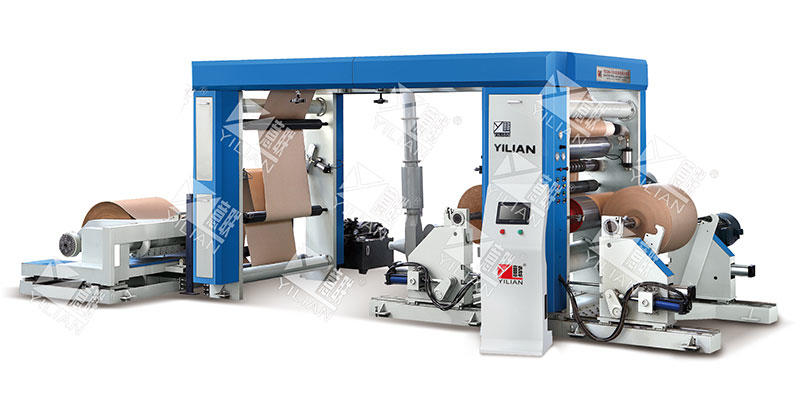
When troubleshooting points to deeper machine capability issues, the design of your extrusion coating line matters. Yilian Machine builds extrusion coating and laminating equipment with features that directly address the four root causes of poor bond strength.
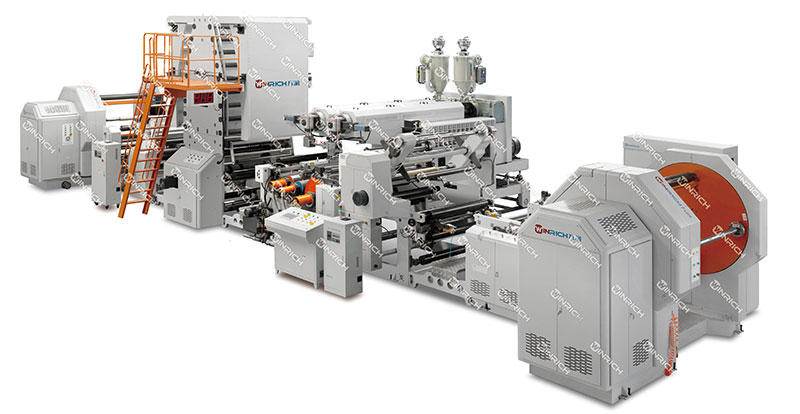
The GSFM 1100-2000 Full Automatic Turret Type High Speed Extrusion Laminating Machine includes a PLC man‑machine interface with mechatronic design, allowing operators to monitor and adjust corona treater power, melt temperature zones, and hydraulic pressure from a single touchscreen—eliminating the guesswork of scattered analog gauges. Imported die heads and high‑speed mixing equipment maintain consistent melt quality, while the hydraulic compounding system ensures even coating distribution across the full web width. An automatic hydraulic filter replacement system keeps contamination risks low, and the shaftless unwinder with auto splicing reduces substrate handling and surface contamination.
Applications include double‑side extrusion coating and lamination, paper PLA coating, paper PBS coating, paper PE coating, and aseptic packaging lines for milk and beverage boxes. For operators who have exhausted the four diagnostic steps and still see bond failures, Yilian‘s after‑sales service team provides remote support and can arrange on‑site inspection.
→ Request a quote from Yilian Machine for the GSFM 1100-2000 Full Automatic Turret Type High Speed Extrusion Laminating Machine — Share your target substrates (paper, film, or foil), desired coating type (PE, PLA, PBS), and production speed requirements. Their technical team can recommend machine configurations and provide troubleshooting support.