English
 中文
中文 Pусский
 Español
Single Side vs Double Side Extrusion Laminator: Which One Fits Your Production?
A packaging line manager is deciding between a single side and a double side extrusion laminator. The single side machine costs less and runs faster. But will it meet the product requirements six months from now? An Extrusion Coating Lamination Machine that coats only one side of the web is the industry workhorse for many disposable packaging applications. However, double side extrusion laminators—which coat both sides of the same web in one pass—serve entirely different markets, such as aseptic beverage cartons where moisture barriers are needed on both the inside and the outside. Choosing the wrong configuration leads to production bottlenecks, rejected orders, or costly retrofits. This guide compares real application scenarios, production speed expectations, and the questions you need to ask before placing your order.
Where single side lamination is the right answer
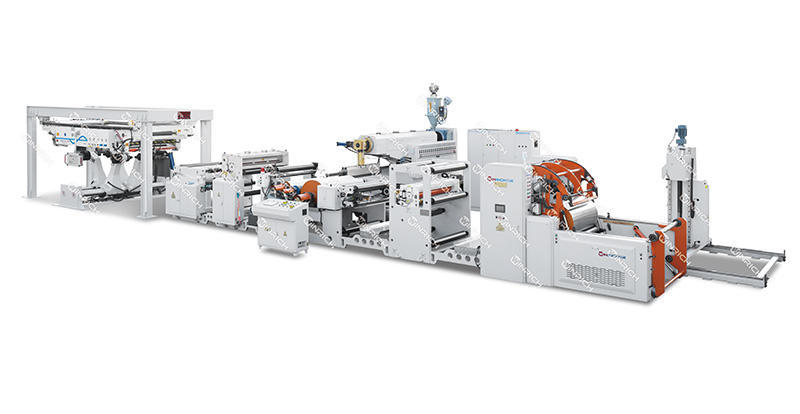
The single side extrusion laminator applies molten polymer (typically PE) to one surface of a moving web. The coating adds moisture resistance, heat‑sealability, or surface protection. Because only one side is treated, the process is simpler, faster, and less capital‑intensive.
Paper cups, bowls, and noodle containers
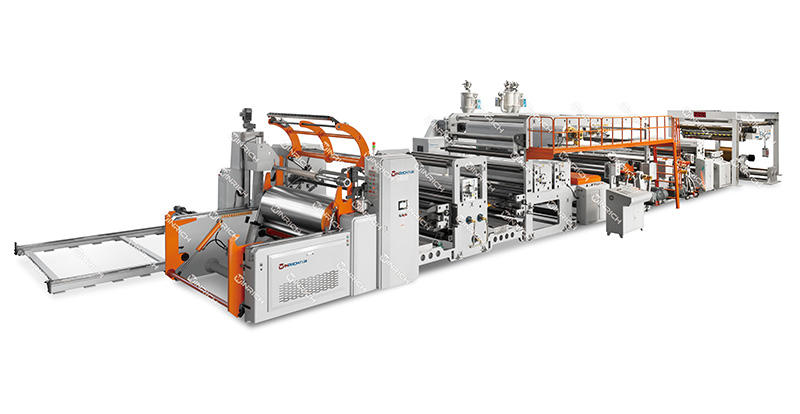
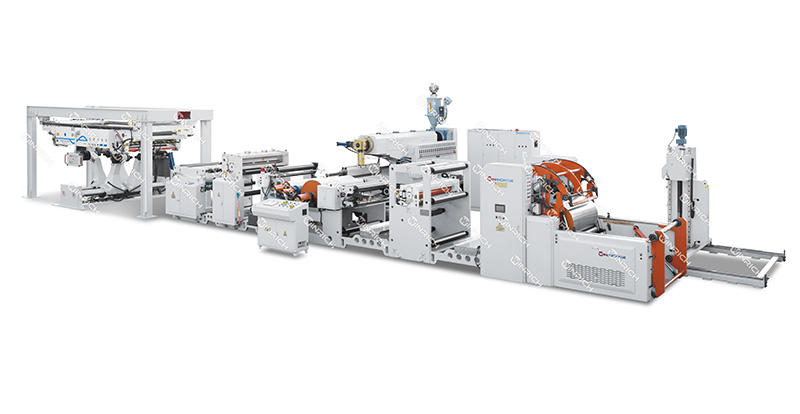
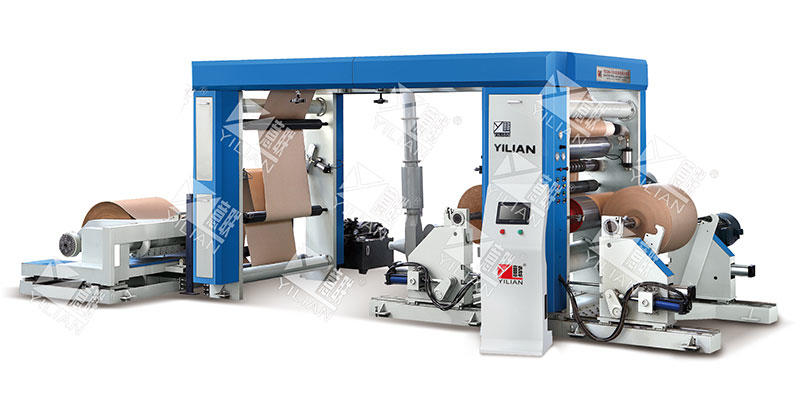
This is the largest application for single side extrusion coating. The machine applies a thin PE layer to the inside of the cup stock. Once formed, the cup holds hot coffee or soup without leaking or softening. The outer surface remains uncoated for printing and stacking. The Yilian WSFM1300 is specifically designed for producing single side PE coated paper cup, paper bowl, and instant noodle bowl paper.
Non‑woven fabric for diaper backsheets and hygiene products
Extrusion coating adds a liquid‑impervious layer to one side of the non‑woven fabric while leaving the other side soft and absorbent. This is a high‑volume application where line speed matters more than complex layer structures.
Label stock with release liner
One side of the paper receives a release coating so that adhesive labels can be peeled off cleanly. The opposite side remains untreated for printing the label graphics.
When double side lamination is non‑negotiable
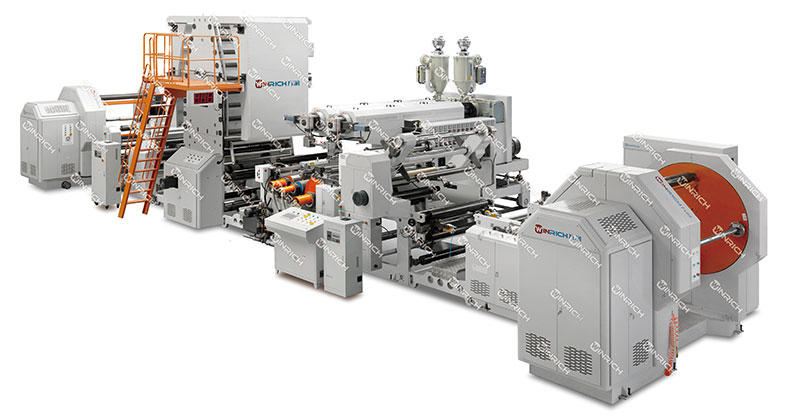
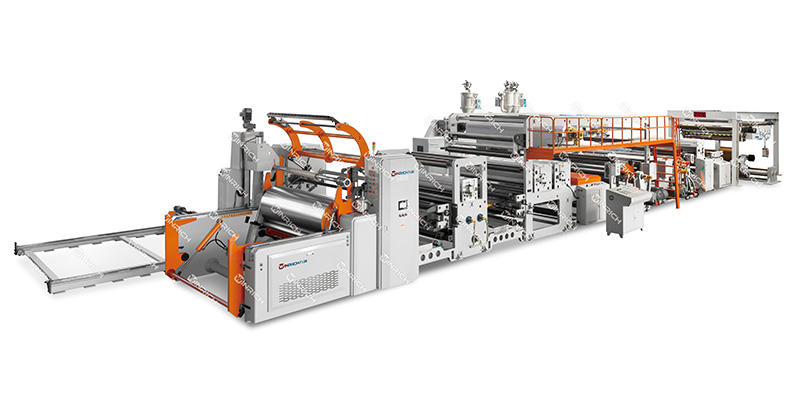
A double side extrusion laminator coats both surfaces of the web in a single pass. The machine uses a second extrusion die or a turn‑bar system to treat the opposite side immediately after the first coating. While slower than a single side line, double side laminators are essential for products that need protection or functionality on both surfaces. Aseptic liquid packaging (milk and juice cartons). The paperboard must have a moisture barrier on the inside to prevent the liquid from soaking into the board, and a barrier on the outside to prevent condensation from weakening the carton during refrigerated storage. Some designs also incorporate aluminum foil layers for oxygen barrier—these multi‑layer structures can be built using double side laminating in combination with other lamination modules. Yilian‘s double side machine is specifically used for double side extrusion coating and lamination, Paper PLA coating, Paper PBS coating, Paper PE coating, etc. Paper cups with printed outer graphics and inner PE coating. When a paper cup features high‑quality printing on the outside, the ink must be protected from moisture and scuffing. Double side coating adds a protective PE layer over the print while also sealing the inside. This is common for premium coffee cups where brand appearance matters. Photographic paper requiring two different coating layers. High‑end photo paper uses different formulations on the front (ink‑receptive) and back (curl control). Double side extrusion coating applies each layer in a single pass, ensuring proper registration.
Three questions to ask before you choose
Don‘t let the lower price tag of a single side machine drive your decision. Ask these questions first.
Will your future products need double side protection?
If you currently make only plain paper cups but may eventually offer premium printed cups, a single side machine will force you to run the printed webs through a second coating pass (or outsource the outer coating). The double side machine handles both surfaces in one pass, eliminating extra handling and registration problems.
Do you have enough volume to justify a double side line?
Double side laminators carry higher upfront cost and require more floor space. For converters with dedicated, long‑run products (e.g., millions of aseptic cartons per week), the cost per square meter of double side coating can be lower than running two separate single side passes. For smaller volumes or job‑shop operations, a single side machine often provides faster payback.
What is your available floor space and budget for auxiliary equipment?
Double side lines are longer and include additional extruders, corona treaters, and drying sections. A single side line occupies roughly 60‑70% of the floor space of a comparable double side configuration. Yilian‘s GSFM and SJFM series come in customisable dimensions, but understanding your building constraints is essential before finalising the machine specification. If you need different coatings on each side, specify a dual‑extruder double side line where the top and bottom dies can run different materials.
Speed and coating weight – what to expect
Single side extrusion laminator. Modern high‑speed single side lines achieve 300 m/min for thin PE coatings on light paper. The WSFM1300C reaches 300 m/min maximum mechanical speed, though working speed depends on coating thickness and substrate width. The WSFM1300 reaches 150‑200 m/min for PE coated paper cup production. Double side extrusion laminator. Because the web passes through two coating stations, maximum speeds are lower—typically 150‑250 m/min depending on the double side configuration. However, double side is still faster than two separate single side passes, because there is no intermediate rewinding and reloading. A single side line coating one side, then rewinding the roll and running it through a second time, cuts effective speed in half and introduces tension and register errors.
| Feature | Single Side Laminator | Double Side Laminator |
|---|---|---|
| Passes required to coat both sides | 2 (coat one side, rewind, recoat second side) | 1 |
| Typical maximum speed | 150‑300 m/min | 150‑250 m/min |
| Capital cost | Lower | 40‑60% higher |
| Floor space | Compact (approx 15‑18 m length) | Longer (requires second coating station) |
| Best application | Single‑function products (e.g., paper cups, diaper backsheets) | Dual‑function products (e.g., aseptic cartons, printed cups with protective top coat) |
Your questions about single vs double side, answered
Q: Can a single side machine be converted to double side later?
A: Not easily. Adding a second coating station to an existing single side line requires significant modifications to the frame, drives, drying section, and control system. It is usually more cost‑effective to sell the single side line and purchase a dedicated double side machine. Yilian offers both configurations as separate product lines—the GSFM series for single side and the WSFM series for double side—so it’s best to select the correct configuration at the time of purchase.
Q: Does double side lamination double the material cost?
A: The resin consumption roughly doubles because two layers of coating are applied. However, the base paper remains the same. Total raw material cost increases by approximately 80‑100% of the coating resin cost. Whether that is justified depends on the product’s value. For aseptic cartons that must remain stable for months, double side coating is non‑negotiable.
Q: Which type is easier to clean and maintain?
A: Single side machines have fewer components—one extruder, one die, one cooling roll assembly—making cleaning and maintenance simpler. Double side lines have two complete coating stations, requiring twice the cleaning effort and operator skill. Maintenance intervals for bearings, drives, and seals are also shorter on the second coating station due to the extra heat and load.
Q: Can the same machine handle both single side and double side production?
A: Some extruder lines allow the second coating station to be disengaged, effectively running as a single side machine when double side is not required. Yilian’s WSFM series can be configured for double side extrusion coating and lamination, Paper PLA coating, Paper PBS coating, Paper PE coating, etc. Check with the manufacturer about the specific model’s dual‑mode capability.
A simple way to decide
Start by defining the product‘s final use. If the product will only be used against moisture on one surface (paper cups, bowls, instant noodle containers, release liners), and the opposite side does not need protection or printing protection, choose single side extrusion laminator. The higher speed and lower capital cost of single side lines make them the correct choice for these high‑volume commodity applications.
If the product will contact moisture on both sides (aseptic liquid cartons), or if the product has printed graphics that must be protected by an outer coating (premium paper cups, printed packaging), choose double side extrusion laminator. The upfront investment is higher, but the ability to produce finished, dual‑coated material in one pass eliminates a secondary operation and guarantees consistent coating weight on both surfaces.
For converters who are unsure about future requirements, Yilian‘s WSFM shaftless automatic extrusion coating machine offers a modular design that can start as a single side machine and be upgraded with a second coating station later (subject to space and budget). The WSFM series includes auto splicing, shaftless unwinder, hydraulic compounding, high efficiency corona, auto‑height adjusting extruder, pneumatic trimming and heavy friction rewinding system. These features improve efficiency regardless of whether the line is single side or double side, providing a degree of future‑proofing.
→ Request a quote from Yilian Machinery for the WSFM Shaftless Automatic Extrusion Coating Machine — Share your target product (paper cup, aseptic carton, printed cup), desired coating type (PE, PLA, PBS), and estimated monthly output. Their technical team can recommend single side or double side configuration based on your specific application and budget.