English
 中文
中文 Pусский
 Español
Daily, Weekly, Monthly Maintenance Checklist for High Speed Extrusion Laminators
You walk into the production floor on a Monday morning. The extrusion laminator is down. The maintenance log shows no record of any inspection in the past two weeks. The cause? A clogged filter screen that should have been changed three shifts ago. The line stays idle for four hours while parts are ordered.
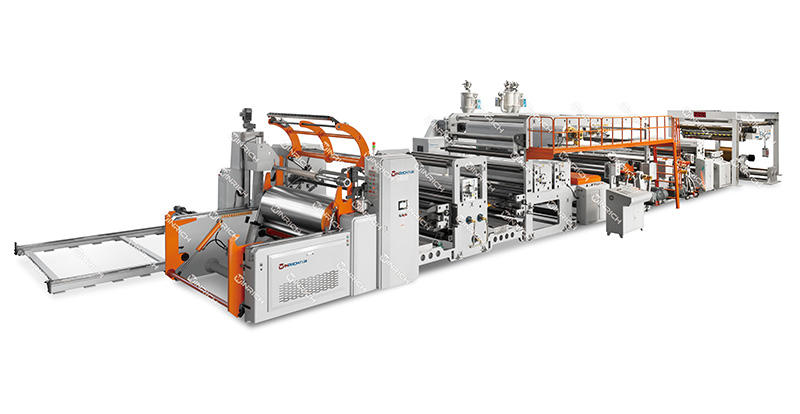
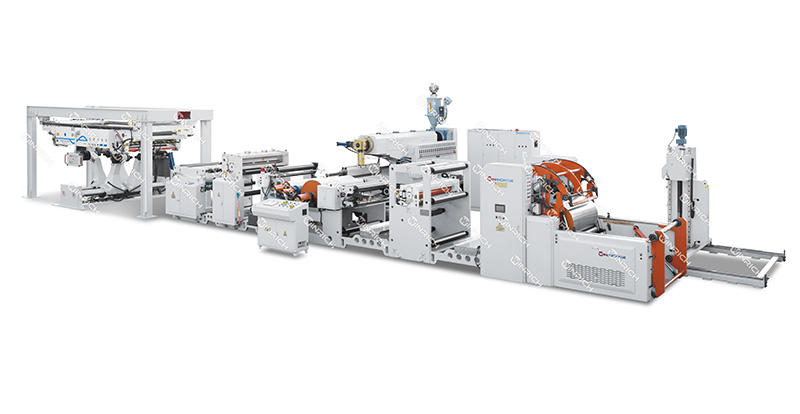
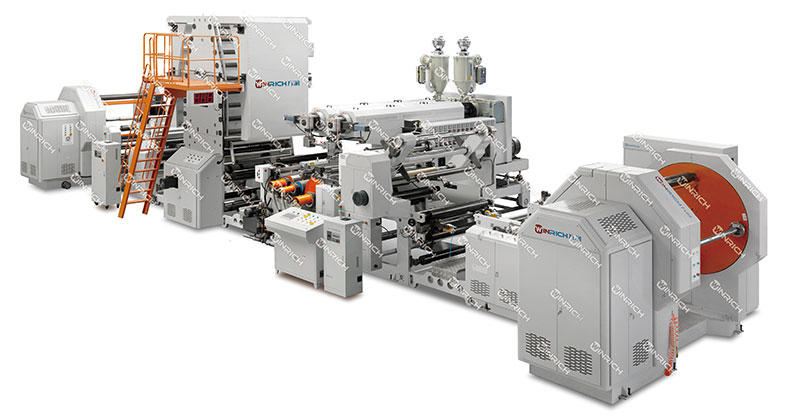
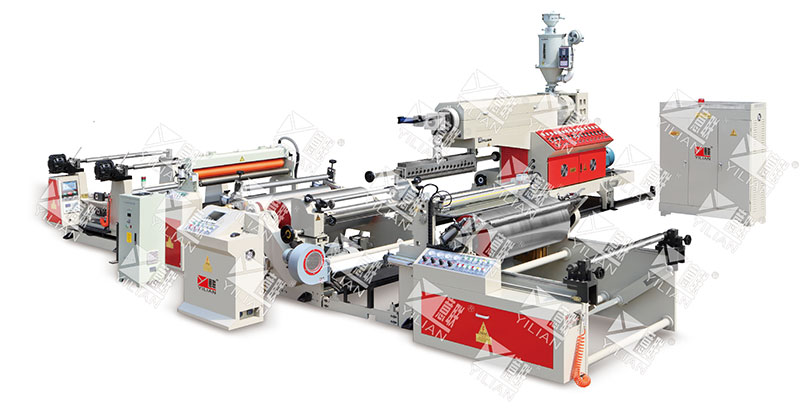
Planned maintenance isn‘t just a paperwork exercise — it reduces unexpected breakdowns by up to 70%. An extrusion coating lamination machine operates at high speeds — up to 300 m/min on Yilian’s SJFM series — with multiple interdependent systems: extruder, die head, nip rolls, corona treater, and winding stations. A failure in any one system stops the entire line. This checklist breaks maintenance into daily, weekly, and monthly tasks that keep your laminator running reliably. Yilian Machinery‘s SJFM 1100-2000A series features PLC man-machine interface control, automatic hydraulic filter screen exchange, and imported die heads for high precision. But even the most advanced machine needs consistent care.
Every shift — the checks that prevent 80% of stops
Daily checks take 15 minutes at start-up and another 10 at shutdown. They catch the problems that would otherwise become emergency repairs.
Start-of-shift checks
Air pressure verification. Pneumatic systems control nip pressure, web tension, and cylinder actuation. Check the main air supply pressure gauge — it should read within the machine’s specified range (typically 0.5–0.7 MPa). Low pressure causes inconsistent coating weight and poor lamination bond.
Safety light curtain test. Wave a hand through the light curtain while the machine is in standby. The machine should stop immediately. This test takes five seconds and confirms that the safety system is functional. Never skip it.
Lubrication points. Apply high-temperature grease to all bearing points on the extruder and nip roll assemblies. Yilian’s SJFM series uses high-speed precision components — lack of lubrication is a common cause of premature bearing failure.
Die lip visual inspection. Look at the die lip for any dried resin buildup or carbonized deposits. Even a small speck can create a streak on the coated web. If you see buildup, clean it with a brass scraper — never steel, which scratches the die land.
End-of-shift checks
Record coating thickness. Measure the coating weight or thickness at several points across the web width using the machine’s thickness gauge or a handheld micrometer. Log the readings. A gradual drift across shifts indicates die gap or melt temperature drift.
Clean the nip roll surface. Wipe the nip roll with a soft cloth and approved solvent to remove any adhesive residue. Residue buildup creates uneven nip pressure and causes bonding defects.
Leave the machine with pressure released. Return the nip rolls to the open position and release all pneumatic pressure. Leaving pressure applied overnight compresses the roll covers and causes flat spots.
Weekly — deeper checks for consistent quality
Weekly maintenance goes beyond surface inspections. Set aside 1–2 hours at the end of a shift for these tasks.
Cooling roll surface inspection
The cooling roll sets the final surface finish of the coated film. Inspect the roll surface for scratches, embedded debris, or adhesive buildup. Even a minor scratch transfers to every meter of coated film. Clean the roll with a soft cloth and a non-abrasive cleaner. If scratches are visible, schedule the roll for regrinding.
Belt and chain tension
Check the tension on drive belts and timing chains. A loose belt slips under load, causing speed fluctuations that show up as coating weight variation. A belt that‘s too tight adds unnecessary bearing load. Use a belt tension gauge and adjust to the manufacturer’s specification.
Sensor calibration
Web tension sensors, thickness gauges, and temperature sensors drift over time. Calibrate each sensor against a known standard. For temperature sensors, use a surface thermocouple on the chill roll. For tension sensors, use a spring scale to verify the reading against a known load.
Screen pack change
The automatic hydraulic filter screen exchange system on Yilian‘s SJFM series reduces manual intervention, but the screen pack still needs periodic inspection. Check the pressure drop across the screen pack. If it has risen more than 20% above baseline, change the screen. A clogged screen creates back-pressure that affects melt temperature and uniformity.
Monthly — the precision maintenance tasks
Monthly tasks require more time but catch issues that weekly checks miss. Schedule these during a planned downtime or a shift change.
Turret slewing ring greasing
The turret that handles roll changes has a slewing ring bearing that requires regular greasing. Use a grease gun to inject high-temperature grease into each fitting on the turret ring. Rotate the turret through a full cycle to distribute the grease evenly. Neglecting this bearing leads to rough turret rotation and misaligned roll changes.
Nip roll hardness profile measurement
Nip roll covers (rubber or polyurethane) wear unevenly across the width. Use a durometer to measure the hardness at several points across the roll face. A variation of more than 5 Shore A points between the center and the edge indicates uneven wear. The roll needs regrinding or replacement. Uneven hardness creates variable nip pressure, which causes coating weight variation across the web.
Extruder screw condition monitoring
You don‘t need to pull the screw to check its condition. Monitor the extruder drive amperage trend. A gradual increase in amperage at the same screw speed indicates that the screw is wearing or that the barrel is building up degraded resin. A sudden spike suggests a mechanical issue. Log the amperage reading monthly and watch for trends.
Corona treater electrode and quartz tube cleaning
The corona treater treats the substrate surface to improve adhesion. Over time, ozone byproducts and dust accumulate on the electrodes and quartz tubes. This reduces treatment efficiency and can cause arcing. Shut down the treater, remove the electrode assembly, and clean the quartz tubes with a soft cloth and isopropyl alcohol. Inspect the electrodes for pitting — replace if damaged.
Below is a quick reference table for maintenance frequency:
| Frequency | Key Tasks | Why It Matters |
|---|---|---|
| Daily (start) | Air pressure, light curtain, lubrication, die lip inspection | Catches immediate issues before production |
| Daily (end) | Thickness logging, nip roll cleaning, pressure release | Prevents overnight damage and tracks trends |
| Weekly | Cooling roll inspection, belt tension, sensor calibration, screen check | Maintains consistent quality and detects wear |
| Monthly | Turret greasing, nip roll hardness, screw amperage, corona cleaning | Prevents long-term degradation and major failures |
| Quarterly | Gearbox oil change, heater resistance check, instrument calibration | Extends equipment life and maintains accuracy |
Signs your laminator needs immediate attention
Checklists catch routine issues. But some problems demand action outside the schedule. Watch for these warning signs.
Unusual noise from the extruder or drive train
A grinding or knocking sound from the extruder gearbox or the main drive indicates bearing wear or gear damage. Stop the machine immediately and investigate. Continuing to run will turn a repair into a replacement.
Coating thickness fluctuation
If the coating weight varies more than ±5% across the web or from roll to roll, something is drifting. Check the melt temperature, die gap, and nip pressure. If all are stable, the issue may be in the extruder screw or the feed system.
Frequent web breaks
Web breaks that occur more than once per shift are not normal. Check the web tension, nip pressure, and substrate condition. In many cases, the cause is a worn nip roll or an incorrectly set die gap.
Operator FAQs on maintenance scheduling
Q: How should I store spare rolls (rubber and silicone nip rolls)?
A: Store spare nip rolls vertically on their ends, never horizontally. Horizontal storage can cause flat spots on the roll cover. Keep them in a cool, dark place away from ozone sources (electric motors, corona treaters) and direct sunlight. Wrap them in protective sheeting to prevent dust accumulation. Rotate stored rolls periodically to prevent permanent set in the rubber.
Q: What is the typical lifespan of a die lip?
A: A die lip that is properly cleaned and maintained can last 5–10 years. The lifespan depends on the resin type — abrasive fillers like calcium carbonate or titanium dioxide accelerate wear. Signs that the die lip needs replacement: visible scoring or pitting on the lip surface, inability to maintain uniform coating thickness, or persistent die lines that cleaning doesn‘t resolve. Yilian’s SJFM series uses imported die heads for extended precision and durability.
Q: Can I use general-purpose grease, or do I need special high-temperature grease?
A: Use only high-temperature grease rated for at least 200°C on extruder and die area bearings. Standard lithium grease melts and runs off at extrusion temperatures, leaving bearings dry. For other areas (turret, winding stations), a high-quality EP (extreme pressure) grease is acceptable. Never mix different grease types — incompatible thickeners can cause the grease to liquefy.
Creating a digital maintenance log — suggested fields
A paper log works, but a digital log lets you spot trends. Include these fields in your log:
-
Date and time of the inspection
-
Machine hours (running time since last reset)
-
Shift (Day / Night)
-
Inspector initials
-
Daily checks completed (checkboxes for each task)
-
Coating thickness readings (left, center, right)
-
Melt temperature at the die
-
Extruder amperage
-
Screen pack pressure drop
-
Any anomalies observed (noise, leaks, unusual vibration)
-
Actions taken (parts replaced, adjustments made)
A digital log lets you export data to a spreadsheet and create trend charts. A gradual increase in extruder amperage over six months is invisible in a paper log but obvious in a trend chart. That trend is your early warning that the screw needs inspection.
Yilian Machinery‘s SJFM 1100-2000A series is built with PLC man-machine interface control, integrated mechatronic design, and automatic hydraulic filter screen exchange to support reliable high-speed production. The machine handles coating speeds up to 300 m/min and suits a range of substrates including paper, aluminum, BOPP, BOPET, and CPP. But even the most advanced equipment depends on the consistency of its maintenance routine.
Ready to build a maintenance schedule for your extrusion laminating line? Contact Yilian Machinery for technical support or product information. Share your machine model, typical production schedule, and current maintenance practices — their team can provide a customized maintenance template for your specific configuration.