English
 中文
 Pусский
 Español
Does a WSFM Extrusion Coating Machine Improve Liquid Packaging Quality?
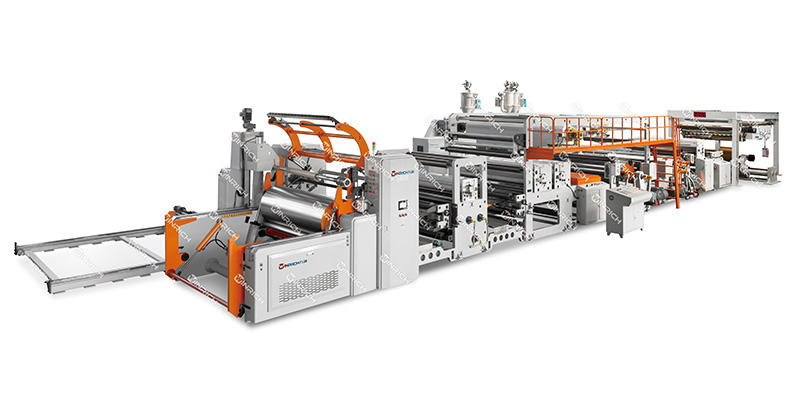
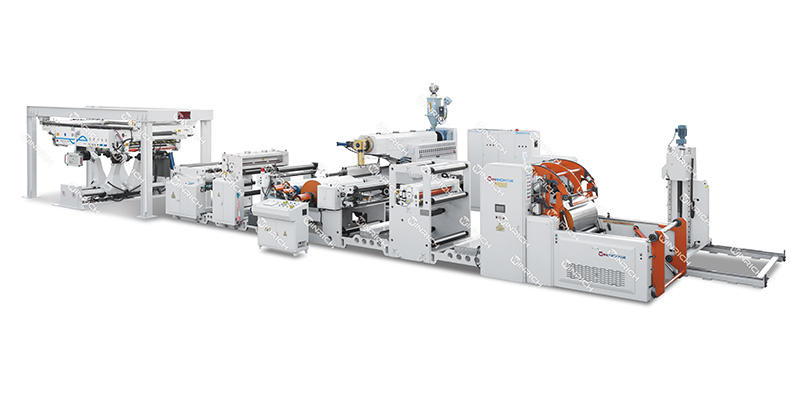
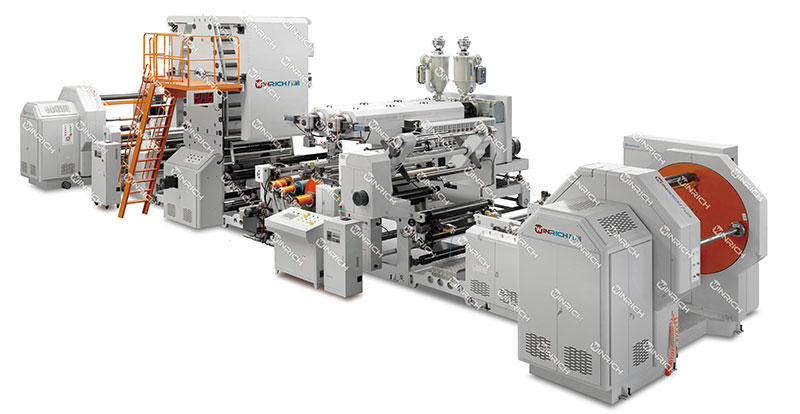
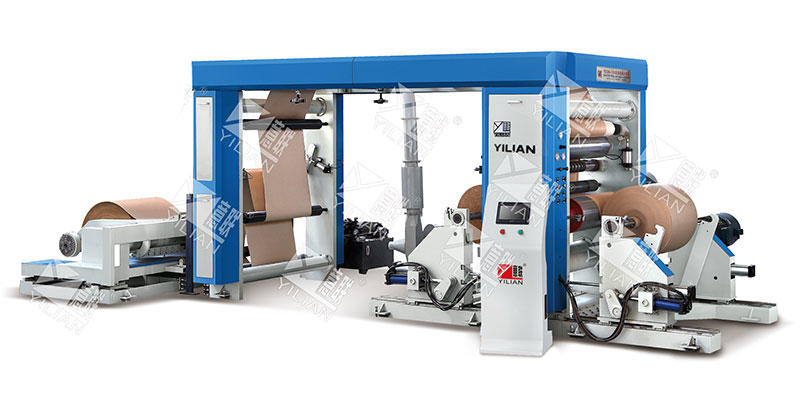
You're producing packaging for beverages—milk, juice, tea, or wine—and the barrier performance of the packaging material determines the shelf life of the product inside. A WSFM shaftless automatic extrusion coating machine must deliver consistent coating thickness, strong adhesion, and reliable barrier properties across high-speed production runs. The WSFM 1100-2000 Series Milk Box Co-extrusion Lamination Line was engineered specifically for liquid packaging applications, combining shaftless unwinding technology with dual extruder systems to produce up to five-layer structures at speeds of 250-300 m/min. This article walks through what makes a co-extrusion lamination line suitable for milk box packaging, how shaftless technology improves winding quality, and whether the investment in a dedicated liquid packaging line delivers the product quality and production efficiency that converters need.
First Questions About Extrusion Coating for Liquid Packaging
Two Practical Concerns—Answered Directly
Q: What packaging applications does the WSFM series handle?
A: The line is designed for milk boxes, fruit juice boxes, tea boxes, and wine boxes—all liquid packaging applications where barrier properties and coating uniformity are critical for product protection.
Q: What are the key specifications of the WSFM series?
A: The line handles material widths from 1100mm to 2000mm, runs at speeds of 250-300 m/min, and produces packaging structures with 4-5 layers for optimal barrier performance.
The Liquid Packaging Challenge — Why Coating Matters
Liquid packaging—milk cartons, juice boxes, and wine containers—requires materials that protect the contents from oxygen, moisture, light, and contamination. The coating layer provides the barrier that keeps the product fresh. A defect in the coating—a thin spot, a pinhole, or poor adhesion—can compromise the entire package. The WSFM series delivers high coating uniformity across the full web width, ensuring that the barrier properties are consistent from edge to edge and from the beginning of the roll to the end.
Barrier Performance Requirements
Milk and juice packaging typically requires oxygen transmission rates below 1 cc/m²/day and moisture barrier properties that prevent condensation inside the carton. The multi-layer co-extrusion process allows different polymers to be combined in a single coating pass, creating a structure where each layer contributes specific barrier properties.
Coating Uniformity and Product Shelf Life
Uneven coating thickness creates weak points where oxygen or moisture can penetrate. The WSFM line's dual extruder systems and precise temperature controls ensure that coating thickness remains uniform across the web. This uniformity directly translates to consistent product shelf life—packages that perform the same whether they're produced at the start of the roll or the end.
Shaftless Technology — Eliminating a Common Source of Waste
Traditional unwinding systems use a shaft that runs through the core of the roll. The weight of the roll and the winding tension can cause the shaft to deflect, leading to uneven web tension and coating defects. Shaftless unwinding eliminates the shaft—the roll is supported by chucks at each end, with the weight of the roll distributed across its full width. This design reduces deflection, maintains consistent web tension, and minimizes the risk of tension-related coating defects.
What the Shaftless System Actually Delivers
The shaftless design allows for faster roll changes—the operator simply loads the roll, and the chucks engage automatically. There's no need to insert and align a shaft, which reduces changeover time and labor. The consistent tension control also reduces waste, as the coating line doesn't have to adjust for tension variations that could cause thickness deviations.
Roll Diameter and Weight Capacity
The WSFM line handles roll weights that are typical for liquid packaging applications. The shaftless design supports these heavy rolls without the deflection that would affect coating quality. For converters running high volumes, this translates to fewer defects and less waste.
Co-extrusion Technology — Building the Right Barrier Structure
The WSFM series uses dual extruders to produce 4-5 layer co-extrusion structures. Each layer serves a specific function:
The Co-extrusion Process
Co-extrusion combines multiple polymers in a single die, producing a multi-layer coating in one pass. The polymers are melted in separate extruders, combined in the die, and applied to the substrate as a single coating. The layer sequence and the choice of polymers determine the barrier properties, adhesion, and heat sealability of the final material.
Typical Layer Structures for Liquid Packaging
A typical milk carton coating might include an adhesive layer to bond the coating to the paperboard, a barrier layer (often EVOH or a similar material) to block oxygen, and a heat seal layer to allow the carton to be sealed. The WSFM line's dual extruder system and die design produce these multi-layer structures with consistent layer thickness and uniform adhesion across the web.
Efficient Material Utilization
The co-extrusion process applies only the amount of material needed for each layer, minimizing waste and optimizing material usage. For converters who are managing raw material costs, this efficient utilization improves profit margins while maintaining product quality.
Technical Specifications — WSFM Series at a Glance
| Parameter | WSFM-1100 | WSFM-1500 | WSFM-2000 |
|---|---|---|---|
| Material Width | 1100mm | 1500mm | 2000mm |
| Line Speed | 250-300 m/min | 250-300 m/min | 250-300 m/min |
| Layer Structure | 4-5 layers | 4-5 layers | 4-5 layers |
| Extruder Configuration | Dual extruder | Dual extruder | Dual extruder |
| Unwind Technology | Shaftless | Shaftless | Shaftless |
| Primary Applications | Milk, juice, tea, wine | Milk, juice, tea, wine | Milk, juice, tea, wine |
| Coating Uniformity | High | High | High |

The Role of Speed — 250-300 m/min for High-Volume Production
Liquid packaging is a high-volume business. Dairy plants and juice producers consume enormous quantities of packaging material—and they expect reliable supply. The WSFM series runs at 250-300 m/min, providing the output that converters need to meet the demands of their customers.
What Speed Means for Production Capacity
At 300 m/min, the line produces approximately 18,000 meters of coated material per hour—enough to supply multiple high-speed filling lines. The dual extruder system ensures that the line can maintain this speed without sacrificing coating quality, as each extruder supplies the material for its specific layer.
Speed Stability and Coating Uniformity
The WSFM line maintains coating uniformity across the full operating speed range. The controls manage temperature, pressure, and extrusion rate to maintain consistent coating thickness, regardless of whether the line is running at 250 m/min or 300 m/min.
Applications — Where the WSFM Series Excels
The WSFM 1100-2000 series serves the liquid packaging market, including:
Milk and Dairy Product Cartons
Milk cartons require oxygen barrier properties, moisture resistance, and reliable heat seals. The WSFM line produces the coating structures needed for both gable-top and aseptic carton formats.
Fruit Juice and Beverage Boxes
Fruit juice packaging demands oxygen barrier properties to prevent oxidation and maintain flavor. The multi-layer coating structures produced by the WSFM line provide the necessary barrier protection.
Tea and Wine Packaging
Tea boxes and wine containers often require specialized barrier properties to preserve flavor and prevent leakage. The WSFM line's flexibility allows converters to adjust the layer structure to meet these specific requirements.
Long Shelf Life and Aseptic Packaging
For products that require extended shelf life or aseptic packaging, the coating quality and barrier properties must meet stringent standards. The WSFM line provides the consistency and reliability that these applications demand.
Straight Answers About Extrusion Coating Machines
Q: What's the difference between shaftless and traditional unwinding?
A: Traditional unwinding uses a shaft through the roll core; shaftless unwinding supports the roll with chucks at each end. Shaftless designs provide more consistent tension control, faster roll changes, and reduced risk of deflection and tension-related defects.
Q: Why is co-extrusion important for liquid packaging?
A: Different barrier materials have different properties. Co-extrusion allows converters to combine these materials into a single coating structure—for example, an adhesive layer, an oxygen barrier layer, and a heat seal layer. This creates a coating that performs better than any single material could.
Q: What materials does the WSFM line handle?
A: The line handles typical liquid packaging substrates—paperboard for cartons, and the coating materials used in liquid packaging applications. The dual extruder system accommodates the polymers used in these applications.
Q: Is the WSFM series suitable for aseptic packaging?
A: Yes. The WSFM series produces the coating structures used in aseptic packaging, where the barrier properties and seal reliability are essential for shelf-stable products.
Request an Extrusion Coating Line Configuration
A WSFM shaftless automatic extrusion coating machine that delivers high coating uniformity, efficient material utilization, and reliable performance for liquid packaging is the practical choice for converters who need to meet the quality demands of the beverage industry. The WSFM 1100-2000 Series Milk Box Co-extrusion Lamination Line delivers 1100mm-2000mm width options to match your production requirements, 4-5 layer co-extrusion structures for optimal barrier properties, dual extruder systems for consistent coating quality, shaftless unwinding for stable tension control and faster roll changes, 250-300 m/min line speed for high-volume production, and applications across milk, juice, tea, and wine packaging.
Whether you're producing packaging for dairy products, fruit juices, tea, or wine, this line offers the speed, quality, and flexibility that liquid packaging converters demand. With width options from 1100mm to 2000mm, it adapts to your specific production requirements while maintaining the coating uniformity and barrier performance that protect the product inside.
Contact Yilian for an extrusion coating line configuration assessment → their team can help you select the right width, extruder configuration, and layer structure for your specific packaging applications, substrate materials, and production targets. Get a line that delivers consistent coating quality—so your customers' products stay fresh from the packaging line to the consumer's table.